
Research
Care decisions based on how a patient's condition may evolve
Our vision extends to monitoring, and even forecasting, possible changes in breast tissue over time, enabling more personalized patient care.
Monitoring and forecasting changes within breast tissue
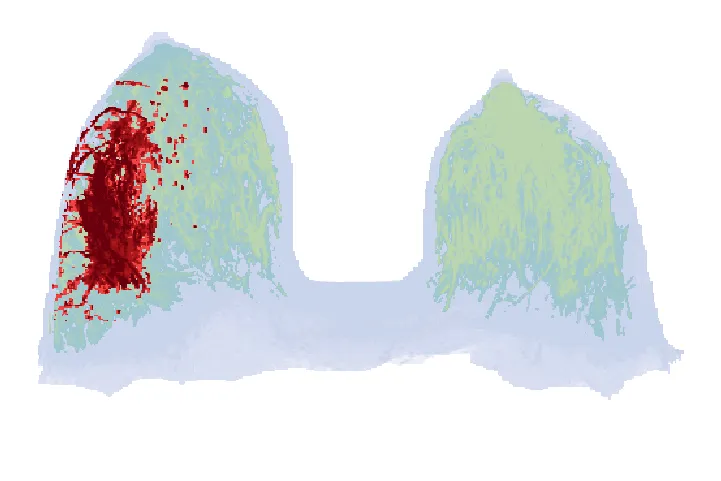
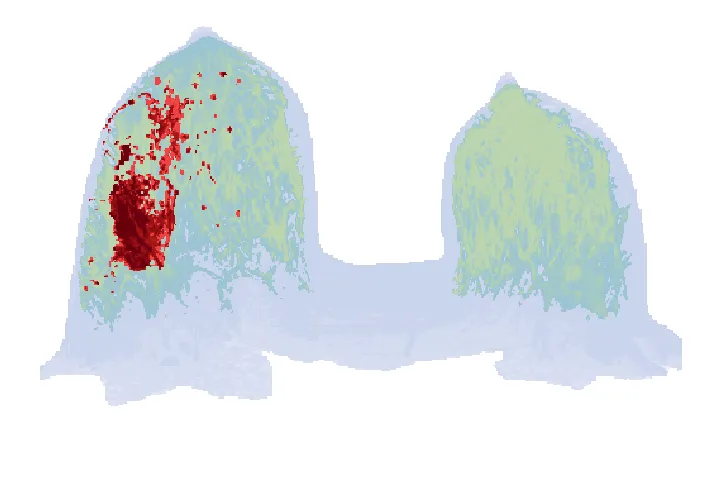
InfiWave Studio maps MRI signal intensities to estimated dielectric properties of breast tissue. By comparing these maps across successive examinations, we aim to monitor changes within the breast and assess tumour response to treatment.
Looking further ahead, we aim to develop a clinically validated way to forecast how breast tissue may evolve over time, to help clinicians anticipate treatment responses and emerging risks, personalize treatment strategies, and adapt screening intervals and follow-up schedules.
Tracking treatment response in 3D
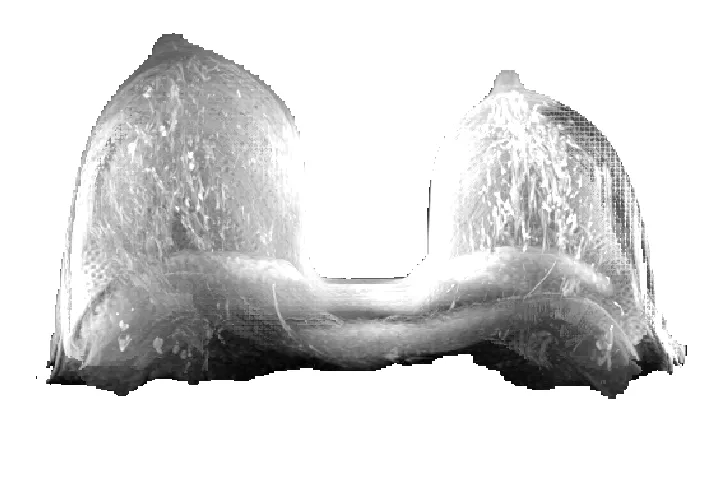
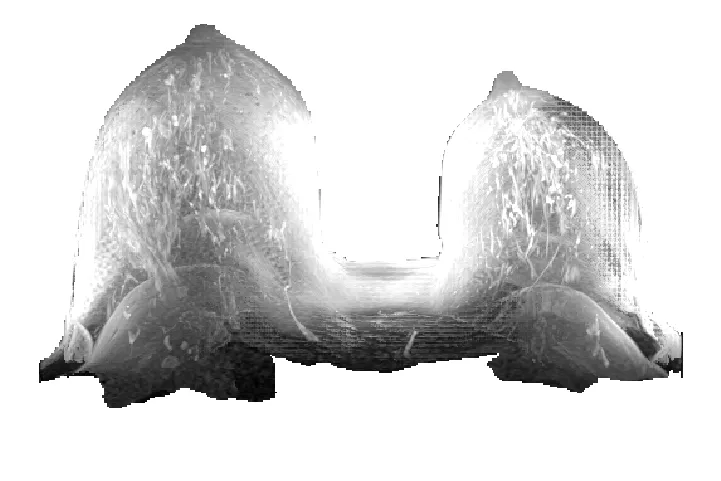
One patient at four MRI visits: pretreatment (T0), early treatment (T1), inter-regimen (T2) and presurgery (T3).
Top: original MRI. Bottom: InfiWave dielectric model.
T0Pretreatment
T1Early treatment
T2Inter-regimen
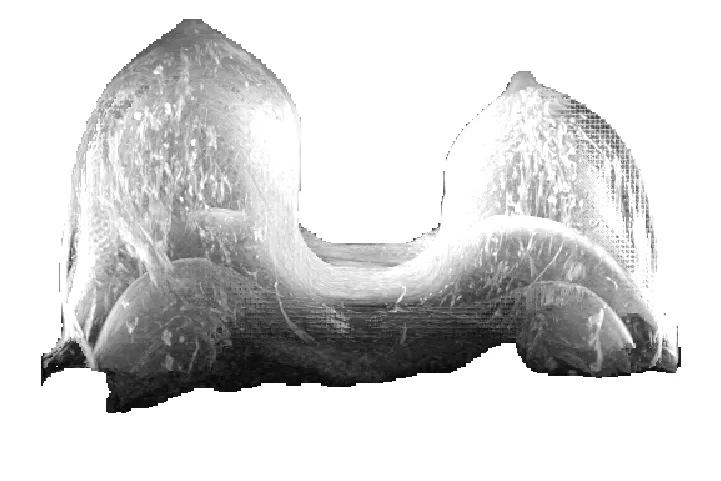
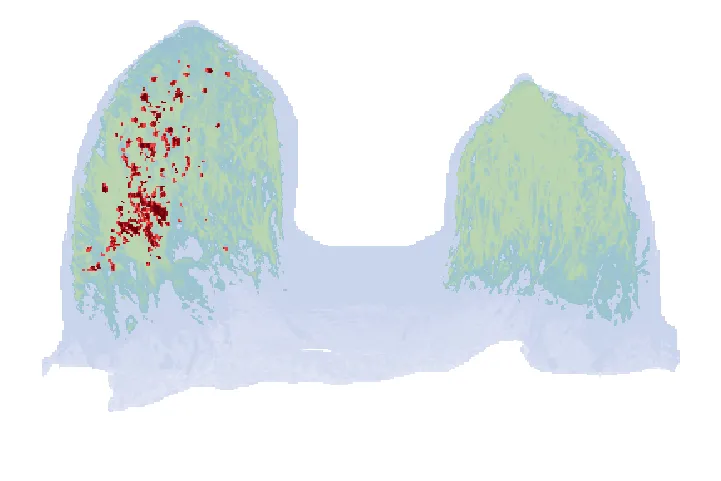
T3Presurgery
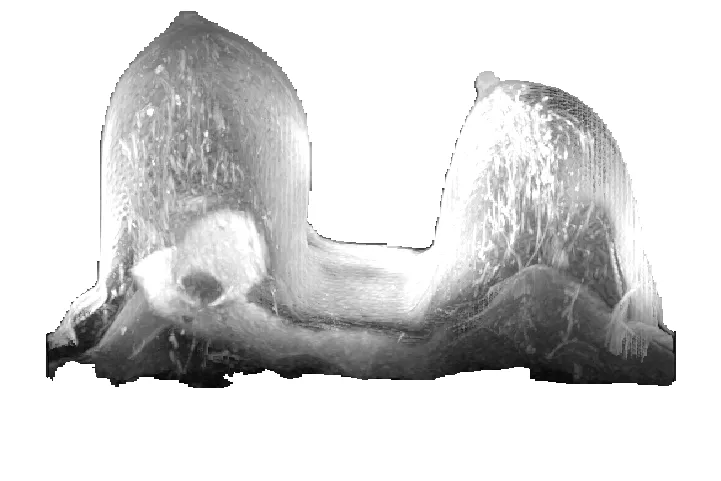
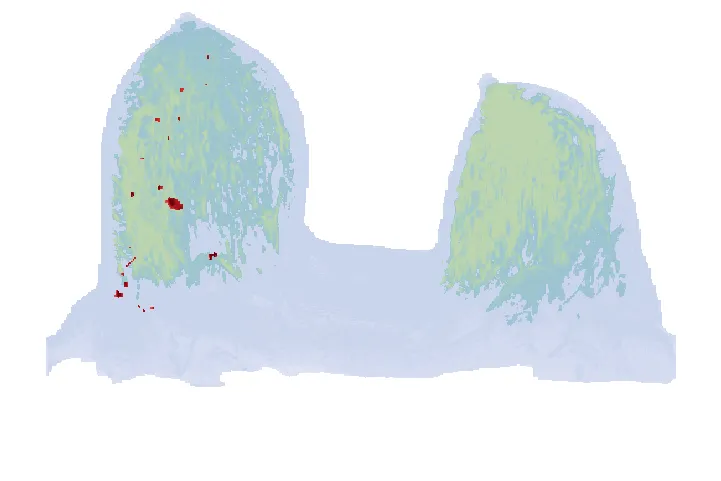
The same patient at four MRI visits during treatment. In the dielectric model, red marks the malignant lesion, green fibroglandular tissue and light blue fatty tissue.
Resources
- Conference paperMapping of Breast Tissue Dielectric Properties Using T1-Weighted MRI DataIEEE IECBES 2024DOI: 10.1109/IECBES61011.2024.10990720
- Scientific presentationEnd-to-End AI System for Region-Level Anomaly Classification in Breast MRIRSNA 2025, Chicago
- Scientific posterAI-Driven Breast Density Assessment: A Step Toward Optimized Risk-Informed ManagementECR 2026, ViennaDOI: 10.26044/ecr2026/C-22082
- PresentationInfiWave Studio – AI-powered CDSS for breast MRI analysisAI 4 LIFE – Biotech Future Forum 2026, Belgrade